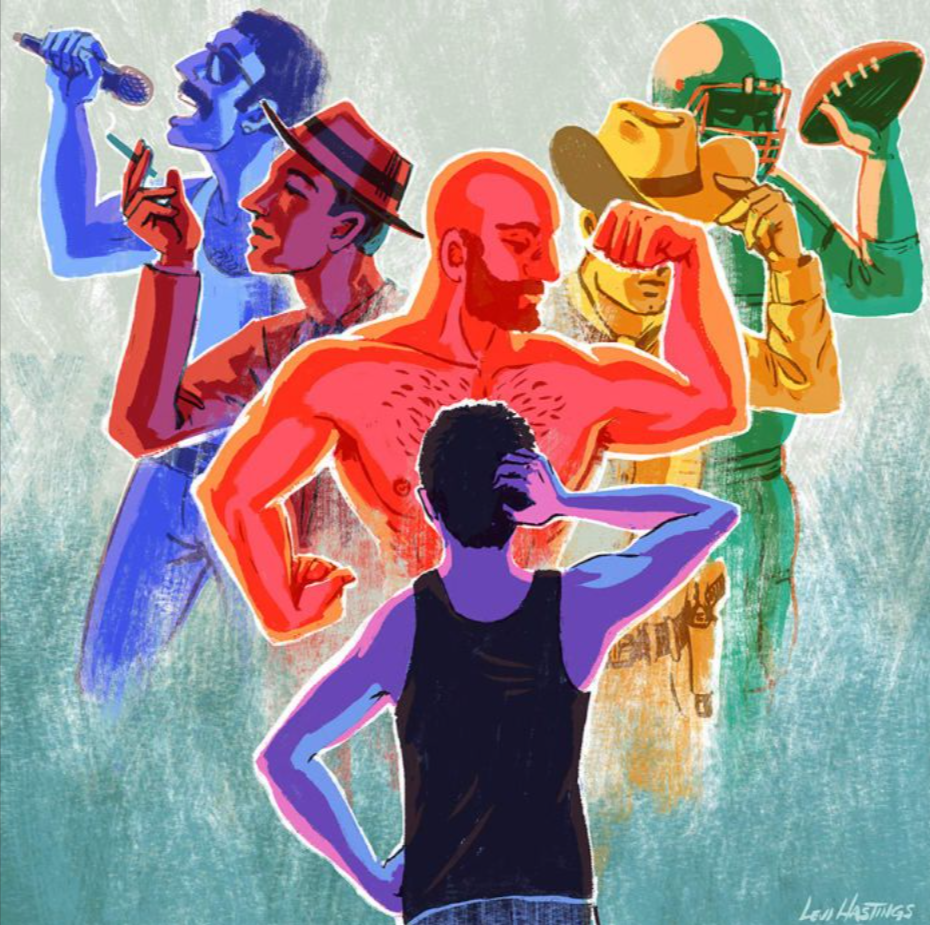
Traditional masculinity, with its emphasis on strength, stoicism, and dominance, has been a cornerstone of societal norms for centuries. However, this narrow definition of masculinity has been shown to have detrimental effects on men’s mental health, relationships, and overall well-being. It’s time to challenge these traditional norms and promote a more inclusive, empathetic definition of masculinity.
Historical Context: The Origins of Traditional Masculinity
Traditional masculine norms have evolved over time, influenced by cultural, social, and historical factors. In ancient Greece, masculinity was associated with physical strength, courage, and intellectual prowess. During medieval Europe, masculinity was linked to chivalry, honor, and martial prowess.
In Africa, traditional masculine norms varied across cultures and societies. For example:
– In ancient Egypt, masculinity was associated with strength, wisdom, and spiritual power (Karenga, 2004).
– In Yoruba culture (Nigeria), masculinity was linked to courage, honor, and community responsibility (Oyewumi, 1997).
– In Maasai culture (East Africa), masculinity was associated with warriorhood, protection, and provision (Llewelyn-Davies, 1981).
– In Igbo culture (Nigeria), masculinity emphasized strength, courage, respect, responsibility, wisdom, and diplomacy (Uchendu, 1965; Achebe, 1958; Nwachukwu, 1987).
– The transatlantic slave trade and colonialism disrupted traditional African masculine norms, imposing Western values and ideals (Rodney, 1972).
– African independence movements and nationalist leaders, such as Kwame Nkrumah and Julius Nyerere, promoted a new era of African masculinity, emphasizing self-determination, pride, and community development (Nkrumah, 1964; Nyerere, 1968).
Current Events and Societal Impact: The Consequences of Traditional Masculinity
Traditional masculinity contributes to various contemporary issues, including:
Toxic masculinity and violence: Mass shootings, domestic abuse, and sexual assault are all linked to traditional masculine norms.
Mental health concerns: Men are more likely to suffer from depression, anxiety, and substance abuse due to societal pressure to conform to traditional masculine norms.
Social isolation and loneliness: Traditional masculinity discourages emotional expression and vulnerability, leading to social isolation and loneliness.
Inequality and discrimination: Traditional masculinity perpetuates sexism, racism, and homophobia, contributing to systemic inequality and discrimination.
These issues affect not only individuals but also communities and society as a whole. It’s essential to challenge traditional masculine norms and promote a more inclusive, empathetic definition of masculinity.
The Effects of Traditional Masculinity on Men and Boys
Traditional masculine norms can limit men’s emotional expression, relationships, and overall well-being. Men who don’t conform to these norms may experience feelings of inadequacy, shame, and anxiety. This can lead to:
Emotional suppression: Men may struggle to express their emotions, leading to mental health concerns and strained relationships.
Limited relationships: Traditional masculinity discourages intimacy and vulnerability, making it challenging for men to form deep, meaningful relationships.
Narrow definitions of masculinity: Traditional masculine norms perpetuate a limited definition of masculinity, excluding men who don’t conform to these norms.
Here’s the next part:
Challenging Traditional Masculinity
Challenging traditional masculine norms requires a multifaceted approach. Here are some strategies:
– Education and awareness: Educate men and boys about the importance of emotional expression, vulnerability, and healthy relationships.
– Mentorship and role-modeling: Provide positive male role models who embody positive masculine norms.
– Community engagement and activism: Encourage men to engage in community activism, promoting social justice and equality.
– Media representation and storytelling: Promote positive representations of masculinity in media, highlighting men who embody empathy, vulnerability, and self-awareness.
– Individual actions: Encourage men to take individual actions, such as practicing self-care, expressing emotions, and seeking help when needed.
Promoting Positive Masculinity
Positive masculinity emphasizes empathy, vulnerability, self-awareness, and healthy relationships. Strategies for promoting positive masculinity include:
– Education and awareness campaigns: Educate men and boys about the importance of emotional expression, vulnerability, and healthy relationships.
– Mentorship and role-modeling programs: Provide positive male role models who embody positive masculine norms.
– Community engagement and activism: Encourage men to engage in community activism, promoting social justice and equality.
– Media representation and storytelling: Promote positive representations of masculinity in media, highlighting men who embody empathy, vulnerability, and self-awareness.
Embracing Positive Change and Growth
As we navigate this new era of masculinity, it’s essential to recognize that change is a process. It requires effort, dedication, and a willingness to challenge traditional norms. By promoting positive masculinity and embracing vulnerability, empathy, and self-awareness, we can create a more inclusive, compassionate society.
A Call to Action
Engage in conversations: Start discussions with friends, family, and colleagues about the importance of positive masculinity.
Support organizations: Partner with organizations working to promote positive masculinity and challenge traditional norms.
Embody positive masculinity: Strive to be a positive role model, embodying empathy, vulnerability, and self-awareness.
 SIDEC
SIDEC 
Leave a comment