
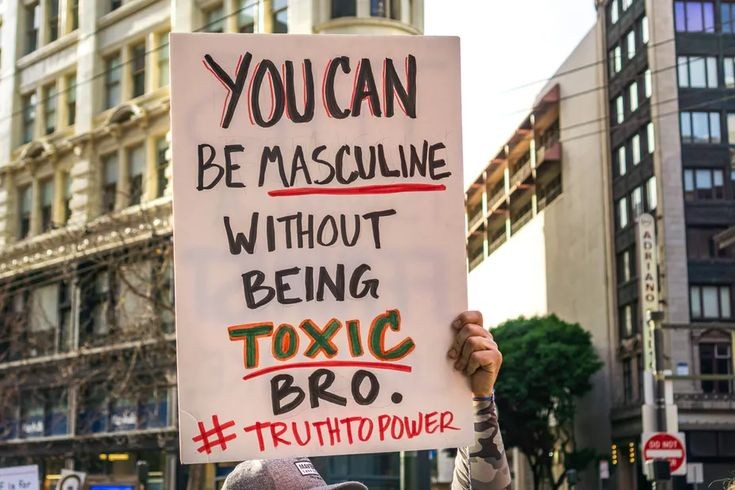
Traditional notions of masculinity have often been associated with negative traits such as aggression, dominance and emotional suppression. However, a growing body of research suggests that these traditional masculine norms can be detrimental to men’s mental and physical health, as well as their relationship with others. In contrast, positive masculinity emphasizes qualities such as empathy, communication and emotional expression.
The Importance of Positive Masculinity
Positive masculinity is essential for promoting healthy relationships, improving mental health outcomes and reducing violence. When men and boys are encouraged to express emotions, communicate effectively, prioritize empathy, they are better equipped to navigate complex social situations, build strong relationship and manage stress. Moreover, positive masculinity can help to challenge and prevent negative behaviors such as bullying, harassment, and violence.
Strategies for Promoting Positive Masculinity
Men and boys need positive role models who embody healthy masculine norms. Parents, educators, and community leaders can play a critical role in modeling positive behavior. This can involve demonstrating emotional intelligence, active listening, and empathy.
Encouraging emotional expression is also crucial. Men and boys should be encouraged to express emotions in a healthy and constructive way. This can involve teaching emotional intelligence, active listening, and empathy.
Fostering positive relationships is also essential. Positive relationships with family, friends, and community members can help men and boys develop healthy attachment styles, communication skills, and conflict resolution strategies.
Challenging negative masculine norms is also necessary. We need to challenge negative masculine norms and stereotypes that perpetuate aggression, dominance, and emotional suppression. This can involve promoting media literacy, critical thinking, and social-emotional learning.
Providing opportunities for positive engagement is also important. Men and boys need opportunities to engage in positive activities that promote healthy masculinity, such as sports, mentorship programs, and community service.
Conclusion
Promoting positive masculinity among men and boys is essential for promoting healthy relationships, improving mental health outcomes, and reducing violence. By modeling positive behavior, encouraging emotional expression, fostering positive relationships, challenging negative masculine norms, and providing opportunities for positive engagement, we can help men and boys develop healthy masculine identities that promote well-being and positive relationships.
Recommendations
To promote positive masculinity, we recommend the following:
– Integrate positive masculinity into education: Educators should integrate positive masculinity into school curricula, promoting social-emotional learning, media literacy, and critical thinking.
– Develop community-based programs: Community-based programs should be developed to promote positive masculinity, providing opportunities for mentorship, community service, and positive engagement.
– Engage men and boys in the conversation: Men and boys should be engaged in the conversation about positive masculinity, providing opportunities for them to share their perspectives, experiences, and insights.
 SIDEC
SIDEC 
Leave a comment