
AUTHOR: ENWEREUZO CHIOMA
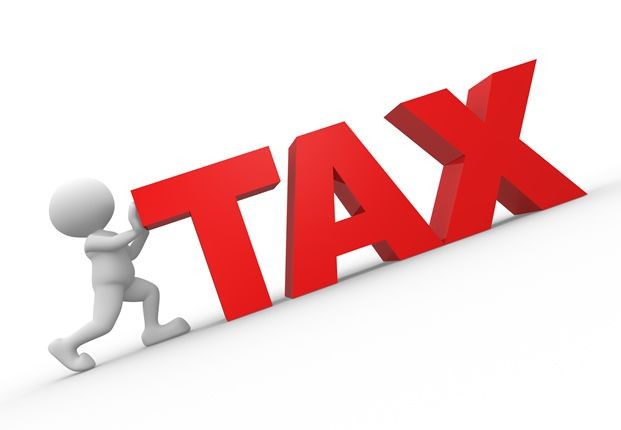
What is Tax: Tax is a compulsory contribution to state revenue, levied by the government on workers’ or traders’ income profits.
Types of Taxes:
There are various types of taxes namely:
- Personal Income Tax
- Corporate Tax
- Capital Gains Tax
- Value Added Tax
Income Tax among others, but in this paper we will look into personal income tax
Personal income tax(PIT) is the tax paid by individuals who are in employment. It is been deducted from their income through a system called PAY AS YOU EARN (PAYE). While, self employed individuals which include the(traders) pay through a process called direct assessment.
FACTORS THAT DISCOURAGE VOLUNTARY TAX COMPLIANCE AMONG TRADERS.
Voluntary tax compliance is a crucial aspect of a country’s tax system as it enables government to generate revenue for public good and services. However many traders fail to comply with tax law, resulting in significant revenue losses for government. This article examines the factors that discourage voluntary tax compliance among traders.
- High Tax Rate and Burdensome Tax Administration: High tax rates can discourage traders from complying with tax laws. When tax rates are high, traders may feel that the tax burden is too heavy leading them seek ways to avoid or evade taxes. Additionally, burdensome tax administration procedures can make it difficult for traders to comply with tax laws.
- Corruption and lack of trust in Tax Authorities: corruption and lack of trust in tax authorities can significantly discourage voluntary tax compliance among traders. When traders perceive tax authorities as corrupt or biased, they may be less likely to comply with tax laws. Corruption can take many forms, including bribery, extortion and favoritism, Traders may feel that tax authorities are more interested in collecting bribes than in enforcing tax laws fairly.
- Poor Taxpayer Services and Support: poor taxpayer services and support can also discourage voluntary tax compliance among traders. when traders encounter difficulties in filing tax returns, or resolving tax disputes, they(traders) may become frustrated and less likely to comply with tax laws.
- Limited Access to Tax information and Education: limited access to tax information and education can make it difficult for traders to comply with tax laws. Traders may not have access to accurate and reliable tax information, making it challenging for them to understand their tax obligations. provision of tax education and information will help traders comply with tax laws.
- Cultural and Social Norms: Cultural and social norms can also influence voluntary tax compliance among traders. In some cultures, tax evasion is seen as acceptable or even desirable. Social norms can also play a significant role, as traders may feel pressure from peers or family members to avoid tax compliance.
CONCLUSION:
Voluntary tax compliance is essential for a country’s tax system to function effectively. However, many traders fail to comply with tax laws due to various factors . Understanding these factors is crucial for tax authorities to develop strategies to improve voluntary tax compliance among traders. By addressing high tax rate, corruption, poor taxpayer services, limited access to tax information and cultural and social norms.
RECOMMENDATIONS
- Simplify tax laws and regulations to make them easier to understand.
- Implement fair and reasonable tax rates to reduce the tax burden on traders.
- Strengthen tax administration and reduce corruption to build trust with traders.
- Offer tax education and information to traders to help them understand their tax obligation.
- Encourage cultural and social norms that promote tax compliance and view tax evasion as unacceptable.
 SIDEC
SIDEC 
Leave a comment